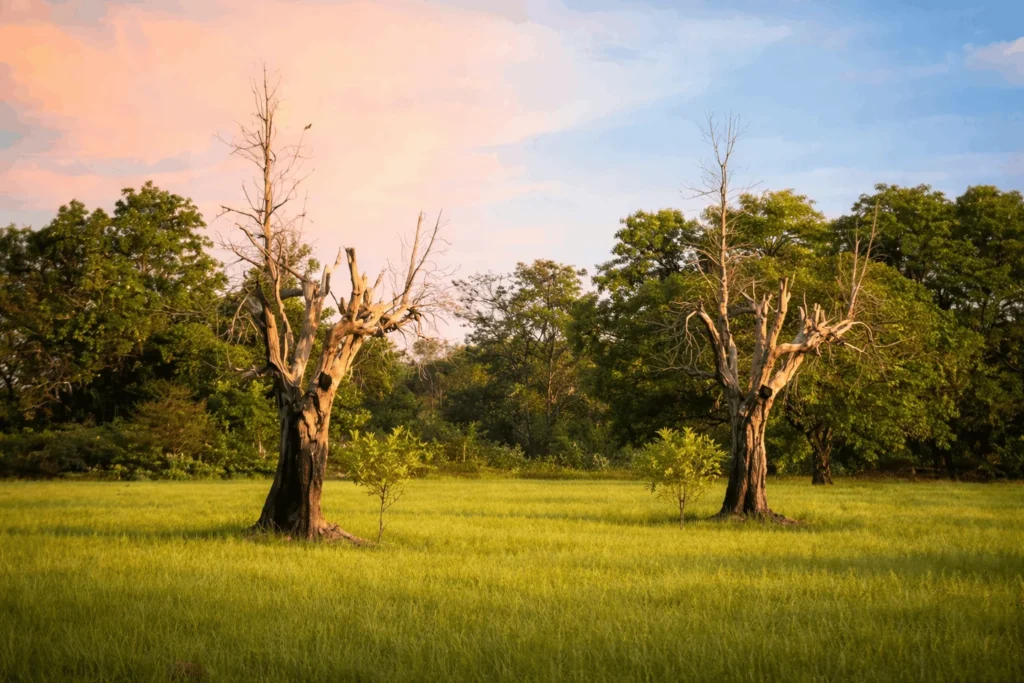
Many homeowners start searching for ways to revive a dying tree before the damage becomes permanent. Leaves begin to thin, branches turn brittle, and overall growth slows down. If you are wondering how to revive a dying tree, the good news is that not all trees are beyond saving.
In many cases, saving stressed trees is possible if you act early and address the root cause. Understanding the signs and applying the right tree recovery tips can make a real difference.
Signs Your Tree Can Still Be Saved
Before you attempt to revive a dying tree, it is important to understand whether the tree still has a chance of recovery.
Here are some key indicators that recovery is possible:
- Green tissue under the bark when lightly scratched
- Branches that are still flexible rather than snapping dry
- Partial leaf growth during the growing season
- Buds forming on branches
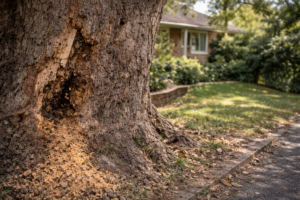
- No severe trunk splitting or decay
If your tree shows even a few of these signs, there is still a good chance it can recover with proper care.
Common Tree Health Problems
Tree health problems can develop for many reasons, and identifying the cause is the first step toward recovery.
Some of the most common issues include:
- Inconsistent watering or prolonged drought
- Soil compaction restricting root growth
- Pest infestations damaging leaves or bark
- Fungal infections affecting structure and growth
- Root disturbance from nearby construction
- Poor drainage leading to root rot
Each issue requires a slightly different approach, so taking time to observe your tree closely is important.
How to Revive a Dying Tree
If you want to revive a dying tree, the focus should be on restoring balance and reducing stress.
Improve Watering Habits
Water plays a major role in tree health. Too little causes dehydration, while too much can suffocate roots.
- Water deeply to reach the root zone
- Avoid frequent shallow watering
- Adjust based on weather and soil conditions
Deep, consistent watering encourages stronger root systems.
Use Mulch to Support Recovery
Mulching is one of the simplest yet most effective tree recovery tips.
- Apply organic mulch like bark or wood chips
- Spread evenly around the base
- Keep mulch away from direct contact with the trunk
This helps retain moisture and improves soil condition over time.
Prune Carefully
Pruning helps remove damaged areas and allows the tree to focus on healthy growth.
- Remove dead or diseased branches
- Avoid heavy pruning during stress
- Use clean tools to prevent infection
If your tree needs proper care and shaping, you can explore tree pruning in Sydney to ensure it is handled safely and correctly.
Address Pests and Diseases
Unchecked pests and diseases can quickly weaken a tree.
- Look for holes, unusual marks, or leaf damage
- Remove affected branches if needed
- Treat infestations early
In some cases, professional inspection is the safest option to avoid further spread.
Supporting Tree Shock Recovery
Tree shock can occur after transplanting, storms, or sudden environmental changes. Tree shock recovery requires patience and consistent care.
You can support recovery by:
- Maintaining steady watering levels
- Avoiding fertilisers until the tree stabilises
- Protecting the root area from disturbance
- Providing temporary shade if needed
Recovery may take time, but steady care improves the chances of survival. These simple steps can significantly improve your chances to revive a dying tree after transplant shock or environmental stress.
When Professional Help Is Needed
Sometimes, basic care is not enough. If your tree continues to decline, it may require expert attention.
Professional arborists can help with:
- Diagnosing complex tree health problems
- Providing safe pruning solutions
- Assessing structural risks
- Recommending long-term care
For proper assessment and ongoing maintenance, you can check tree services in Sydney to get expert help when your tree needs it most.
Final Thoughts
With the right care and timely action, it is often possible to revive a dying tree and restore its natural growth.. Many trees can recover if given the right support at the right time.
Focus on proper watering, soil care, and removing damaged growth. Keep monitoring your tree and adjust care as needed. With patience and consistent effort, saving stressed trees is often achievable. If you are unsure about your tree’s condition or want expert guidance, you can Request a Quote and take the next step toward restoring your tree’s health.