After a tree is removed, many homeowners assume the job is finished. However, leaving the stump behind can create ongoing problems that affect both safety and garden health. Old stumps may seem harmless, but they often become a breeding ground for pests and a source of unwanted regrowth. This is where professional stump grinding in Sydney plays an important role.
At Pro Climbing Tree Services, we help homeowners eliminate these hidden risks through effective tree stump removal that supports long-term pest prevention and reliable regrowth control. Understanding why stump grinding matters can help you make better decisions for your property.
Why Tree Stumps Cause Problems?
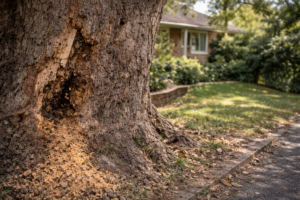
A tree stump left in the ground is not dormant. Even after the tree is gone, the root system can remain active for years. As the stump begins to decay, it creates ideal conditions for insects, fungi, and regrowth to take hold.
Common issues caused by untreated stumps include:
- Attraction of termites and ants
- Shelter for rodents and snakes
- Fungal growth that spreads to nearby plants
- New shoots are growing around the stump
- Trip hazards and lawn damage
These problems often worsen over time, making stump grinding an important step rather than an optional extra.
How Stump Grinding Helps with Pest Prevention?
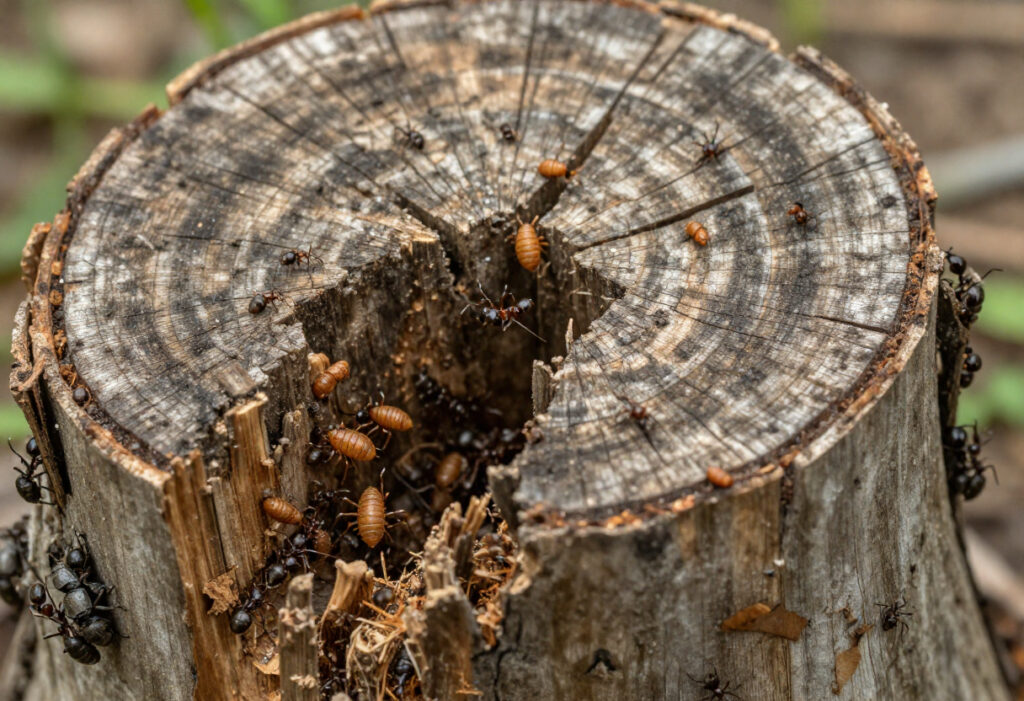
One of the biggest reasons homeowners choose stump grinding is pest prevention. Decaying wood is highly attractive to insects, especially termites. Once termites establish themselves in a stump, they can easily move to nearby fences, garden beds, or even your home.
Ants and beetles are also drawn to rotting timber. These pests may not damage structures directly, but they disrupt gardens and attract larger pests such as birds or rodents.
Professional stump grinding services in Sydney help prevent pest problems by removing the decaying wood pests rely on for food. By grinding the stump below ground level, the wood is broken down into mulch, eliminating the environment pests need to survive.
Preventing Regrowth After Tree Removal
Many tree species have strong root systems that continue to produce shoots long after the tree has been cut down. This regrowth can appear around the stump, in garden beds, or even through paving.
Without proper regrowth control, you may find yourself constantly cutting back unwanted shoots. This not only affects the look of your garden but also drains nutrients from surrounding plants.
Stump grinding stops this cycle by removing the stump and disrupting the root system. Once the stump is ground below the surface, regrowth becomes far less likely, allowing you to reclaim the space for planting, turf, or landscaping.
The Difference Between Stump Grinding and Full Removal
Some homeowners ask whether stump grinding is better than full stump removal. Each option has its place, but stump grinding is often the preferred choice for residential properties.
Stump grinding involves using specialised equipment to grind the stump down below ground level. This method:
- Minimises disruption to the surrounding soil
- Protects nearby plants and structures
- It is faster and more cost-effective
- Allows the area to be reused quickly
Full stump removal requires digging out the entire root ball, which can cause significant damage to lawns and garden beds. For most properties, stump grinding offers the best balance of effectiveness and minimal impact.
Improving Garden Health and Appearance
A leftover stump can interrupt the natural flow of your garden. It may limit how you use the space or interfere with mowing and landscaping. Removing the stump improves both safety and appearance.
Once stump grinding is complete, the area can be levelled and restored. The mulch created during grinding can be reused in garden beds, helping retain moisture and improve soil conditions.
By choosing professional tree stump removal, you create a clean slate for future landscaping while supporting overall garden health.
When Should You Schedule Stump Grinding?
It’s best to grind a stump shortly after the tree is removed, before it has time to attract pests or start growing back. The longer a stump remains in place, the greater the chance that pests and regrowth will become an issue.
You should consider stump grinding if:
- A stump is attracting insects
- Shoots are growing around the base
- You plan to landscape or replant
- The stump is a trip hazard
- You want to prevent future maintenance issues
Early action saves time, money, and frustration in the long run.
Why Professional Stump Grinding Matters?
Stump grinding equipment is powerful and requires training to use safely. Attempting to remove a stump without proper tools can result in injury or property damage.
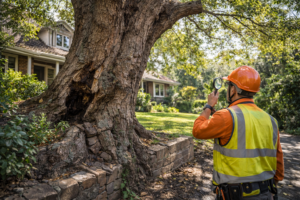
At Pro Climbing Tree Services, our experienced arborists assess the stump, the surrounding area, and soil conditions before starting work. This ensures the grinding process is carried out safely and effectively, without disturbing underground services or nearby plants.
We handle everything from preparation to cleanup, leaving your property neat and ready for use.
Final Thoughts
Stump grinding is a vital step in protecting your property after tree removal. It supports effective pest prevention, stops unwanted regrowth, and improves the overall appearance and safety of your garden. Ignoring a stump may lead to long-term issues that are far more difficult to manage later. If you have a leftover stump on your property, now is the right time to take action. Request a free quote for stump grinding with Pro Climbing Tree Services and let our team help you protect your landscape and prevent future problems.