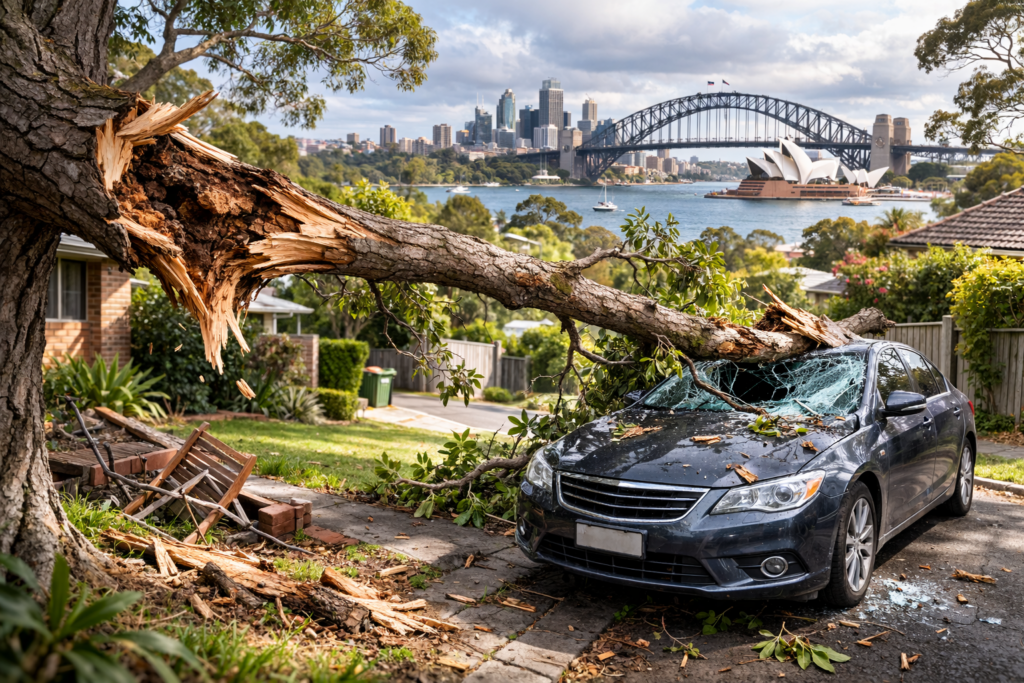
Many homeowners assume falling tree branches only occur during storms or strong winds. In reality, tree branch failure often happens on calm, sunny days with no warning at all. These unexpected failures can damage property, injure people, and create serious safety concerns, especially in residential areas across Sydney.
Understanding why tree branches fail helps homeowners spot early warning signs and take action before accidents happen. At Pro Climbing Tree Services, we regularly assess trees that appear healthy on the outside but pose hidden risks. Below are the most common causes of branch failure and how proper inspections can reduce tree hazards in Sydney.
Hidden Decay Inside the Branch
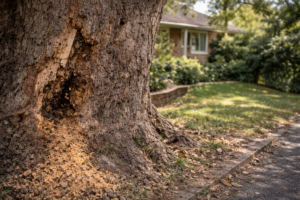
One of the leading causes of tree branch failure is internal decay. A branch can look solid and healthy while rotting from the inside. Fungi, bacteria, and moisture enter through small cracks or old pruning wounds and slowly weaken the wood.
Because this decay is often invisible, tree branches can fail suddenly under their own weight. Larger limbs are especially dangerous when decay goes unnoticed. A professional arborist tree assessment can identify these risks before failure occurs. In severe cases where decay has compromised structural integrity, professional tree removal services may be required to eliminate safety risks.
Poor Branch Structure
Not all tree branches are attached to the trunk equally. Some branches grow with weak attachment points, especially those with narrow angles where bark becomes trapped between the trunk and limb.
These weak unions are more likely to split as the tree branch grows heavier. Even without wind, gravity alone can cause failure over time. Structural problems often develop early in a tree’s life and worsen if not corrected through proper pruning.
Excessive Weight from Overgrowth
Branches naturally gain weight as they grow longer and thicker. When trees are not maintained regularly, this extra weight increases stress on attachment points.
Long horizontal limbs are particularly vulnerable. As they extend outward, leverage increases, making them more likely to crack or snap. Routine pruning reduces weight and balances the canopy, lowering the chance of unexpected branch drop.
This is where professional tree pruning plays a critical role. By selectively reducing limb weight and correcting growth patterns, tree pruning helps balance the canopy and significantly lowers the risk of sudden branch failure, even in calm weather.
Previous Storm Damage
A tree branch that survived a storm is not always safe afterwards. Cracks, splits, or internal damage may not be obvious immediately. Over time, these weakened areas can fail during calm conditions.
This is why post-storm inspections are important, even if no damage appears obvious. A branch safety inspection helps identify limbs that were compromised and need attention before they fall.
Heat Stress and Water Loss
Extended heat can dry out tree branches, making them brittle and more prone to breaking. During hot periods, trees lose moisture faster than they can replace it, especially if watering is inconsistent.
Heat-stressed branches may fail days or weeks after extreme temperatures, often catching homeowners by surprise. This is common during Sydney summers and highlights the importance of seasonal maintenance and watering.
Pest and Insect Damage
Insects such as borers and termites weaken wood by tunnelling through branches. This internal damage reduces strength and increases the chance of failure.
In many cases, pest activity is only noticed after a branch breaks. Regular inspections help detect early signs such as exit holes, sawdust, or thinning foliage, allowing treatment before structural damage becomes severe.
Poor Past Pruning Practices
Incorrect pruning can cause long-term problems. Topping trees, leaving stubs, or cutting too close to the trunk creates weak regrowth and decay points.
New growth that forms after poor pruning is often poorly attached and grows quickly, increasing failure risk. Correct pruning techniques improve structure and reduce the chance of hazardous branch development.
Soil and Root Issues
Tree branch failure is not always caused by the branch itself. Root problems can affect the entire tree’s stability. Compacted soil, root damage, or poor drainage reduce the tree’s ability to support its canopy.
When roots cannot anchor the tree properly, branches experience additional stress and may fail even in still conditions. A full arborist tree assessment looks at both canopy and root health.
Why Branch Failures Are a Serious Safety Risk?
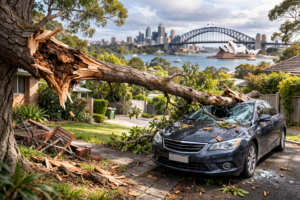
Falling tree branches can cause serious injury or damage vehicles, fences, roofs, and power lines. In busy residential areas, unexpected branch drop presents a real danger to people walking or parking beneath trees.
This is why addressing tree hazards in Sydney is not just about tree appearance, but about public and property safety. In situations where multiple trees present ongoing structural or safety concerns, land clearing may be necessary to restore safety and usability across the property.
How a Branch Safety Inspection Helps
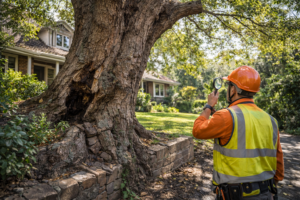
A professional tree branch safety inspection identifies weak points before they become emergencies. Arborists look for signs of decay, structural flaws, pest activity, and excessive weight.
At Pro Climbing Tree Services, inspections are carried out by qualified arborists with local experience. We provide clear advice on whether pruning, monitoring, or removal is the safest option.
Final Thoughts
Tree branch failure can happen without warning, even in perfect weather. Hidden decay, poor structure, past damage, and environmental stress all play a role. Regular inspections and professional care are the best ways to reduce risk and protect your property. If you are concerned about falling branches or want peace of mind, contact Pro Climbing Tree Services for a professional assessment. Our experienced team helps Sydney homeowners identify risks early and keep their trees safe all year round. Locate us in Sydney!