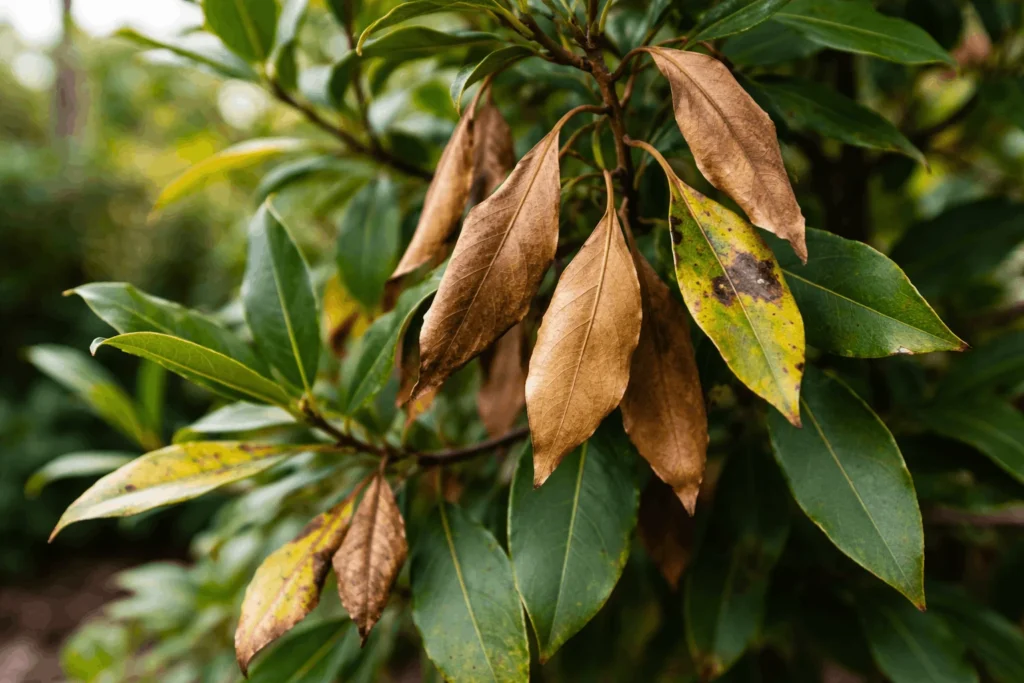
Tree Dying issues in bay trees can be frustrating, especially when a once-healthy plant starts to decline. Bay trees are a popular choice in many Australian gardens thanks to their fragrance, evergreen leaves, and compact growth. But when you notice your plant turning brown or showing signs of stress, it is important to act quickly.
Understanding dying bay tree symptoms early can help you revive your plant before the damage becomes permanent. In many cases, simple changes in care can bring your tree back to life.
Common Tree Dying Symptoms in Bay Trees
Before you can fix the issue, you need to identify what your tree is telling you.
Here are some of the most common signs of trouble:
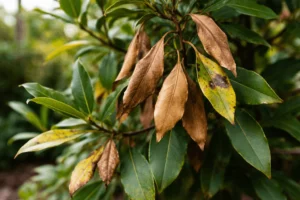
- Leaves turning yellow or brown
- Dry, brittle foliage
- Leaf drop or thinning canopy
- Black spots or unusual marks on leaves
- Slow or stunted growth
If your bay tree is turning brown, it usually indicates stress rather than immediate death. The key is finding the cause.
Watering Issues
One of the biggest causes of bay tree health problems is incorrect watering.
- Too little water leads to dry soil and brittle leaves
- Too much water causes root rot and yellowing foliage
Bay trees prefer well-drained soil with consistent moisture. In Australia, especially during hot periods, it is important to water deeply but not too frequently.
Check the soil before watering. If the top layer feels dry but the soil below still holds moisture, wait before adding more water.
Poor Drainage
Even if you water correctly, poor drainage can still damage your tree.
- Waterlogged soil suffocates roots
- Roots begin to rot and weaken the plant
- Leaves may turn brown or develop spots
Improving soil structure or repotting the tree can help restore proper drainage. This is especially important for potted bay trees.
Lack of Nutrients
Bay trees need the right nutrients to stay healthy. Without them, growth slows and leaves lose their colour.
Using a suitable bay tree fertiliser can help:
- Promote healthy leaf growth
- Improve resistance to stress
- Support overall tree recovery
Apply fertiliser during the growing season, but avoid overfeeding, as this can cause further stress.
Pests and Diseases
Pests and fungal infections are common causes of bay tree disease treatment concerns.
Watch out for:
- Scale insects or aphids
- Sooty mould on leaves
- Leaf spot diseases
Treating these issues early is important. Remove affected leaves and consider using appropriate treatments to prevent spread.
If the problem becomes severe, professional help may be needed to protect nearby plants and restore the tree.
Environmental Stress
Bay tree care in Australia must account for changing weather conditions.
Common environmental stress factors include:
- Intense sunlight or heatwaves
- Sudden temperature drops
- Strong winds
- Transplant shock
Tree shock recovery takes time, but providing consistent care helps the tree stabilise.
You can support recovery by:
- Providing partial shade during extreme heat
- Keeping watering consistent
- Avoiding sudden changes in care routines
How to Revive a Bay Tree
If your tree is struggling, there are several practical steps you can take to revive a bay tree.
- Trim away dead or damaged branches
- Improve soil drainage if needed
- Adjust watering habits
- Apply a balanced fertiliser
- Monitor for pests and treat early
These bay tree recovery tips can make a noticeable difference when applied consistently.
If the tree continues to decline, it may require professional assessment to determine whether it can be saved.
When Removal Becomes Necessary
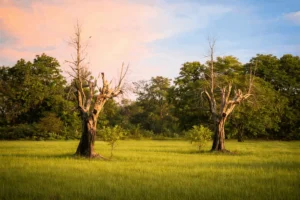
In some cases, a tree may be too damaged to recover. Severe disease, root failure, or structural instability can make recovery difficult.
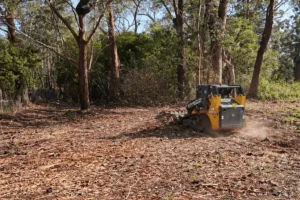
If safety becomes a concern, professional tree removal services in Sydney can help manage the situation safely and efficiently.
Experienced teams can assess whether removal is the best option and handle the process with care.
Expert Help for Ongoing Tree Health
Maintaining healthy trees requires more than occasional care. Regular inspection and proper maintenance can prevent many common issues.
For expert support, Pro Climbing Tree Services offers guidance on tree care, pruning, and safe management of problem trees. Their experience with different tree species and conditions helps ensure the right approach is taken.
Final Thoughts
A dying bay tree does not always mean it is beyond saving. By identifying dying bay tree symptoms early and applying the right care, you can often restore its health.
Focus on proper watering, soil condition, and pest control. Small adjustments can have a big impact over time.If you are unsure about your tree’s condition or need professional advice, you can reach out to Pro Climbing Tree Services for guidance. To take the next step, you can also Request a Quote and get expert help to restore or manage your tree with confidence.