- Proudly serving Homeowners, Strata, Government, Property Managers and Business Owners since 2009
- 24/7 Emergency Callout
- 0415 463 647
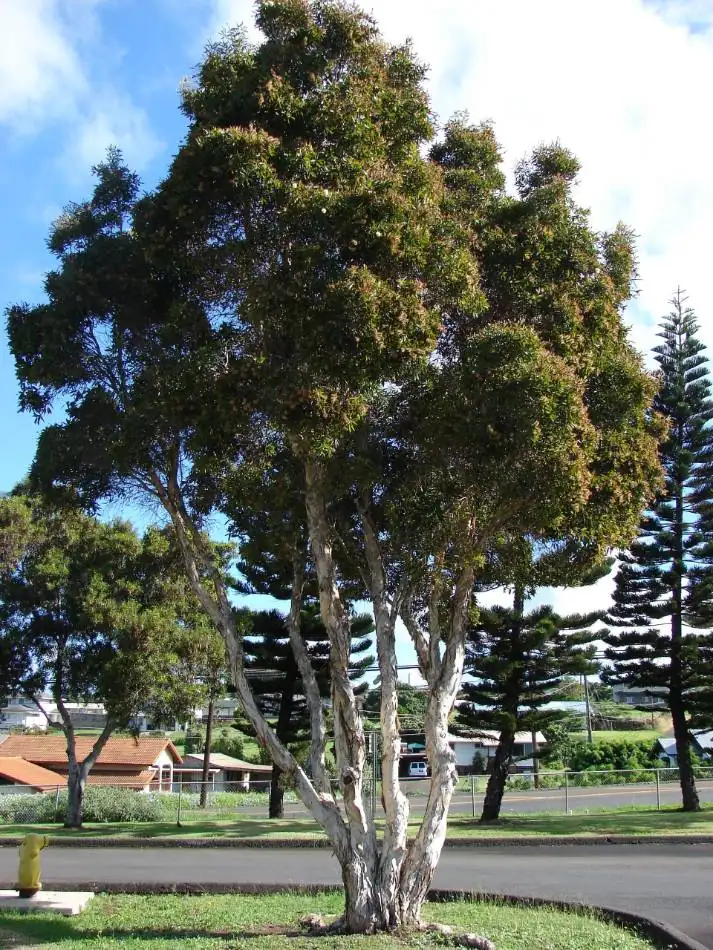
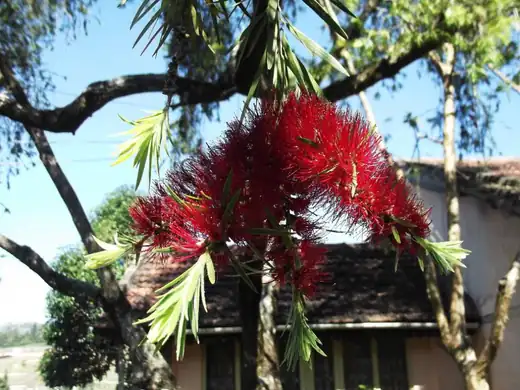
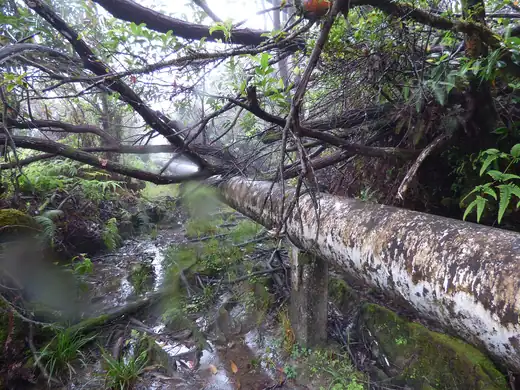
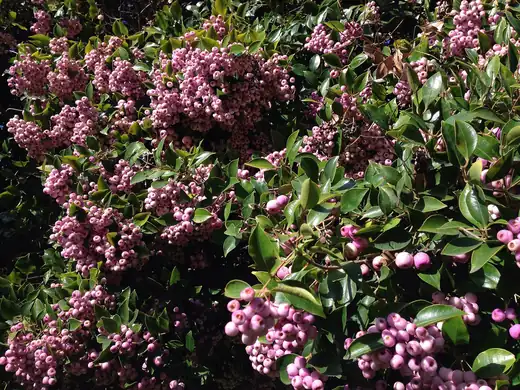
Thick spongy bark in papery cream and beige layers that peel off in sheets, which is the giveaway. Leaves are stiff and leathery with five parallel veins running their length. Creamy white bottlebrush flowers through autumn and winter.
Natural on low lying damp ground and around wetlands, common through the Northern Beaches at Warriewood, Narrabeen and Ingleside, and planted widely as a street and park tree across Bayside, Georges River and Canterbury-Bankstown.
Straightforward dismantling, since the timber is soft and the size modest. The complication is location: paperbarks sit on damp low lying ground that is frequently inside wetland, riparian or coastal environment overlays, which add controls beyond a standard tree permit. Access for machinery on soft ground is usually the practical constraint.
Status below is for a tree on private land that has passed the council’s size threshold. Heritage items, heritage conservation areas, significant tree registers, biodiversity mapping and conditions of development consent override every exemption shown here.
Yes. It is a native species and is not on any exempt species list in the councils covered here, so a tree permit is required once it passes the size threshold. Wetland and riparian mapping can add a further approval layer.
No. The bark is living tissue and stripping it damages the tree and invites decay. Managing the fuel load underneath the tree and keeping gutters clear is the practical approach.