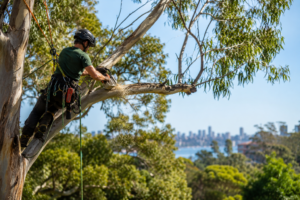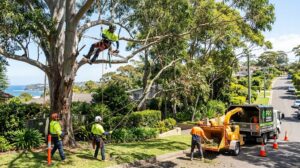
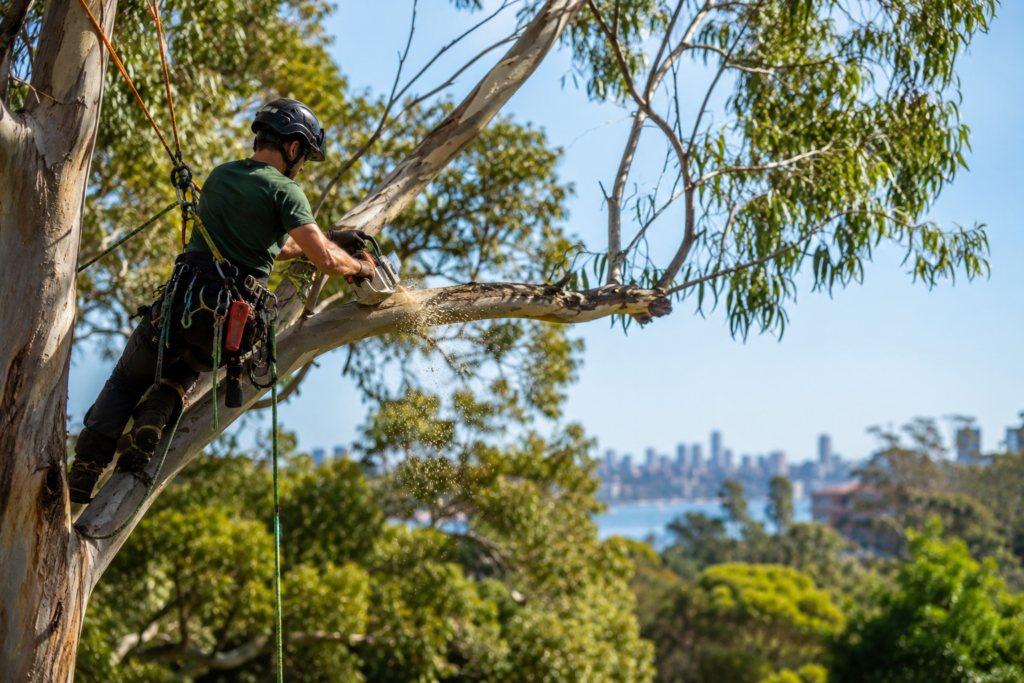
Arboriculture is one of Australia’s most dynamic and rewarding trade industries. As urban tree canopies expand across major metropolitan areas like Sydney, the demand for qualified arborists who understand tree biology, safety risk management, and specialized canopy care continues to surge. Whether you enjoy working outdoors, climbing tall native eucalyptus trees, or consulting on urban forest preservation across the Northern Beaches and North Shore, pursuing a career as a Qualified arborist in Australia offers long-term job security, excellent earning potential, and diverse specialization pathways.
What Does an Arborist Do?
An arboristoften referred to as a tree surgeon or tree specialistis a trained professional educated in the care, cultivation, management, and scientific study of individual trees, shrubs, and perennial woody plants. Unlike general tree loppers who may cut trees indiscriminately, qualified arborists apply scientific pruning standards (AS 4373-2007) to promote tree structural longevity, diagnose pest and disease infestations, evaluate structural hazards, and execute controlled tree removals when safety requires it. For property owners seeking an arborist Sydney service, choosing a qualified professional ensures these specialised tree care practices are carried out safely and responsibly.
Educational Requirements and Qualification Levels in Australia
In Australia, arboriculture qualifications are structured under the national Vocational Education and Training (VET) sector through Registered Training Organisations (RTOs) such as TAFE NSW. Understanding the standard qualification tiers is essential for planning your career journey:
1. Certificate II in Arboriculture (AHC20520)
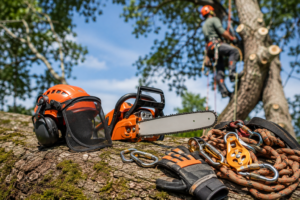
This entry-level qualification introduces basic industry principles, workplace health and safety (WHS), small machinery operation (chainsaws, wood chippers, brushcutters), and ground crew operations. It is an ideal starting point for high school graduates or individuals transitioning into tree work.
2. Certificate III in Arboriculture (AHC30824) – Trade Qualification
The Certificate III is the standard practical trade qualification recognized across Australia. Usually completed over 2 to 3 years through an apprenticeship combination of paid on-the-job work and TAFE coursework, this qualification covers tree climbing techniques, aerial rigging, power saw operation, soil management, and tree identification. Graduates are fully qualified climbing or ground arborists.
3. Diploma of Arboriculture (AHC50520) – Level 5 Arborist
Completing the Diploma elevates you to a Level 5 Consulting Arborist. Level 5 arborists focus on diagnostic tree health assessments, writing formal arboricultural impact reports for local councils, constructing Tree Protection Plans for building developments, and acting as expert witnesses in legal or dispute matters.
Step-by-Step Process to Qualified Arborist in Australia
If you are ready to begin your career in Australian arboriculture, follow these practical steps:
Step 1: Obtain Core Entry Prerequisites: Ensure you hold a valid Australian Driver Licence (a Medium Rigid MR truck licence is highly advantageous) and a White Card (General Construction Induction Training card) for site access.
Step 2: Secure an Australian Apprenticeship or Traineeship: Apply to reputable tree care companies, municipal councils, or utility vegetation contractors across Sydney. Joining an established service company like Pro Climbing Tree Services provides valuable exposure to real-world climbing, rigging, and client property care under seasoned mentors.
Step 3: Complete Technical Short Courses: Gain essential licences for chainsaw operation (Operate and Maintain Chainsaws unit), First Aid and CPR, Work Near Overhead Power Lines qualification, and EWP (Elevated Work Platform) licences.
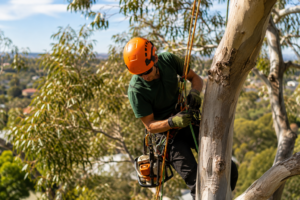
Step 4: Master Aerial Climbing and Rigging Skills: Invest time in practical tree climbing modules, learning Single Rope Technique (SRT) and Moving Rope Systems (MRS), aerial rescue procedures, and advanced rigging mechanics for dismantling heavy timber over structures.
Step 5: Maintain Continuous Professional Development: Join industry bodies such as Arboriculture Australia or the Queensland Arboricultural Association (QAA) to stay informed on updated Australian Standards, safety legislation, and cutting-edge arboricultural research.
Key Skills for Success in Arboriculture
Successful arborists possess a blend of physical stamina, mechanical aptitude, and environmental problem-solving skills:
- Physical Fitness & Agility: Working outdoors in varying Sydney weather conditions while ascending mature trees requires core strength, balance, and endurance.
- Spatial Awareness & Rigging Physics: Calculating weight distribution, branch drop arcs, rope tensions, and equipment friction parameters.
- Botanical & Ecological Knowledge: Identifying native and exotic tree species, understanding soil chemistry, disease symptoms, and pest cycles.
- Unwavering Safety Mindset: Rigorously adhering to SafeWork NSW protocols, inspecting gear daily, and executing precise hazard control on every job site.
Join the Pro Climbing Tree Services Team
At Pro Climbing Tree Services, we pride ourselves on nurturing top-tier arboricultural talent across Sydney’s Northern Beaches and North Shore. We equip our team with industry-leading machinery, continuous safety training, and rewarding career advancement pathways in professional tree maintenance, stump grinding, and technical tree care.
To learn more about our arborist services or career opportunities, visit proclimbingtreeservices.com.au today.