- Proudly serving Homeowners, Strata, Government, Property Managers and Business Owners since 2009
- 24/7 Emergency Callout
- 0415 463 647
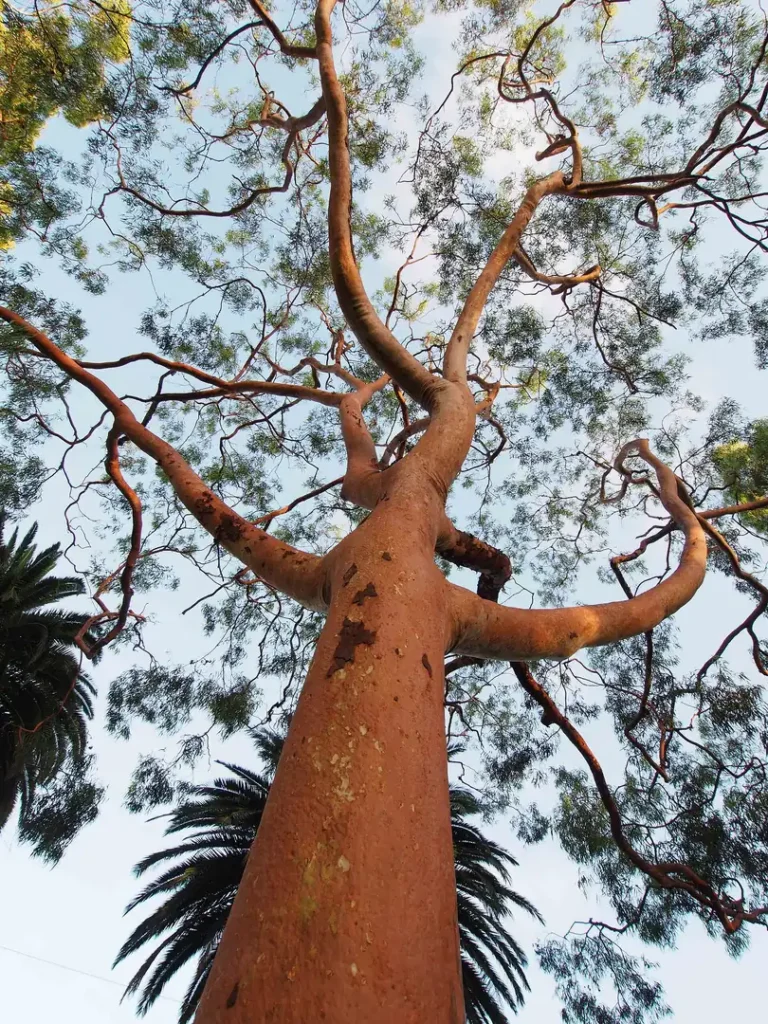
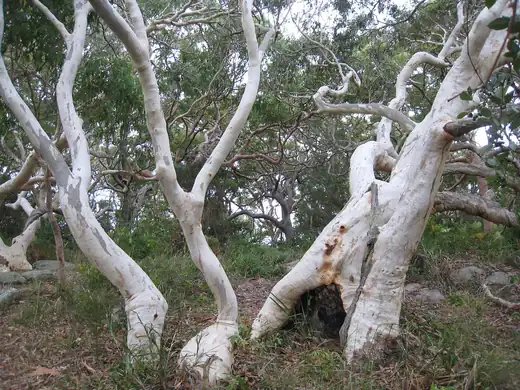
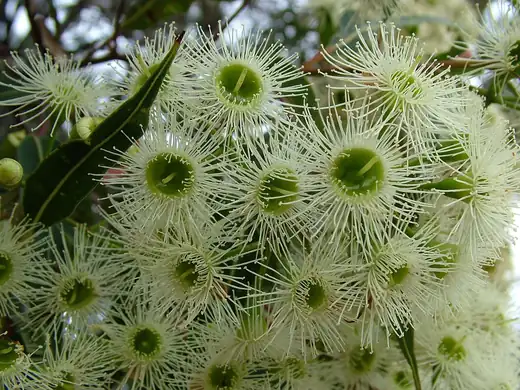
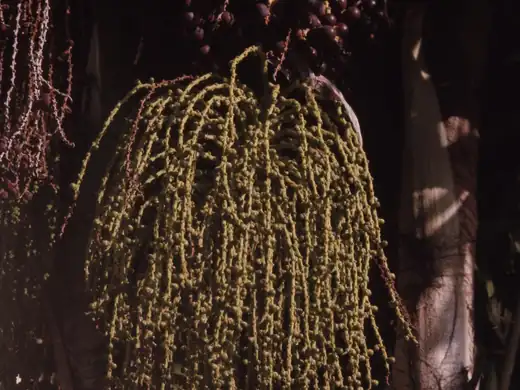
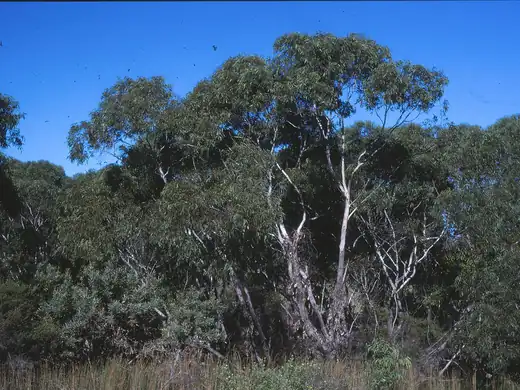
A sculptural tree with a smooth salmon pink to orange trunk that sheds each summer to reveal fresh bright bark, and heavy twisting limbs. Unlike true eucalypts the leaves are arranged in opposite pairs. Cream flowers in dense clusters through late spring and early summer.
The signature tree of Sydney’s sandstone country. Very common through the Northern Beaches, Ku-ring-gai, Hornsby, Lane Cove, Hunters Hill and Willoughby, often on rock shelves and in dedicated bushland reserves.
Councils defend this species strongly, and removal applications generally need a clear structural or health justification supported by an arborist assessment. Where it is retained, work is more likely to be approved as deadwood removal and selective reduction. Sensitive to root zone works, so landscaping and excavation near the trunk often needs a tree protection plan.
Status below is for a tree on private land that has passed the council’s size threshold. Heritage items, heritage conservation areas, significant tree registers, biodiversity mapping and conditions of development consent override every exemption shown here.
It is a keystone species of the Sydney sandstone landscape, is habitat for hollow dependent fauna, and is frequently listed on significant tree registers. Councils apply a high bar and usually want an arborist report addressing health, structure and risk.
Summer branch drop is a known habit of the species, but repeated failures can also indicate decay, poor unions or root zone damage. Get it inspected rather than assuming it is normal.