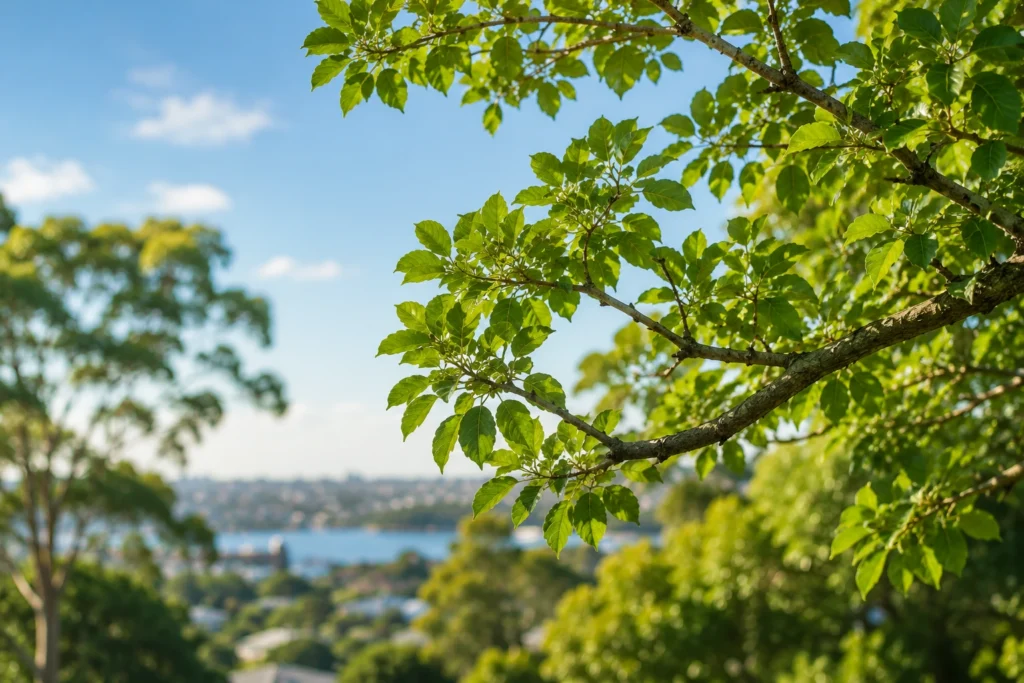
Sydney’s North Shore is renowned for its leafy streets, heritage gardens, and mature tree canopies that give suburbs like Killara, Gordon, Turramurra, and Wahroonga their distinctive charm. But beneath that beautiful green canopy, many trees are quietly struggling. From fungal infections to storm-weakened branches, tree problems on the North Shore are more common, and more serious, than most homeowners realise.
Understanding the signs of a troubled tree is the first step to protecting your property, your family, and the trees themselves. In this guide, Pro Climbing Tree Services walks you through the most common tree problems seen across Sydney’s North Shore and what you can do to address them.
1. Dead or Dying Branches
One of the most frequently encountered tree problems across suburbs like Chatswood, Willoughby, and Lane Cove is the presence of dead or dying branches, sometimes called “widow-makers” in the arboriculture industry. These branches can snap without warning, particularly during the storms and strong winds that regularly sweep through the North Shore.
Dead branches are typically identified by their lack of foliage during the growing season, brittle bark that peels or cracks easily, or a noticeably different colour compared to healthy growth. In some cases, fungi or lichen growth on the bark can signal that a branch is dead or decaying.
How to fix it: Professional tree pruning in Sydney is the most effective solution. A qualified arborist can safely remove dead limbs using proper rigging techniques that protect surrounding structures and gardens. Attempting to remove large dead branches yourself is dangerous and not recommended.
2. Root Damage and Instability
Many properties across the North Shore feature large, established trees with extensive root systems. While this is part of their appeal, it can also create significant problems. Root damage can occur due to construction work, soil compaction from vehicles or foot traffic, trenching for utilities, or chemical contamination, all of which compromise the tree’s structural integrity and ability to absorb water and nutrients.
In areas like St Ives, Pymble, and Hornsby Heights, where renovations and new builds are common, root disturbance is increasingly prevalent. A tree with damaged roots may appear healthy on the surface for months or even years before suddenly becoming a fall risk.
How to fix it: An arborist assessment is essential to determine the extent of root damage. Depending on the severity, solutions may include soil aeration, targeted root zone management, or in cases of severe structural instability, professional tree removal in Sydney may be the safest course of action.
3. Fungal Disease and Decay
Sydney’s humid summers create ideal conditions for fungal diseases to take hold in trees. Across the North Shore, particularly in wetter, more sheltered gardens in suburbs like Lindfield, Roseville, and East Killara, fungal infections are a serious concern for both deciduous and native species.
Common signs of fungal disease include shelf-like growths (bracket fungi) on the trunk or base of the tree, soft or spongy wood when prodded, unusual discolouration of leaves, or a distinctive musty smell coming from the bark. Fungal decay often compromises the structural integrity of the wood, making the tree far more susceptible to failure during wind events.
How to fix it: Fungal decay is difficult to reverse once it takes hold. A certified arborist can assess the extent of internal decay using specialised tools such as a mallet test or resistance drill. Depending on findings, crown reduction pruning may extend the tree’s life. In advanced cases, removal is often the safest option.
4. Overgrown or Poorly Structured Canopies
Many of the large trees found in established North Shore gardens, Sydney Blue Gums, Brush Box, Camphor Laurels, and Jacarandas, can develop problematic canopy structures if they have never been professionally maintained. Co-dominant stems (where two equally sized trunks grow from the same point), included bark, and crossing branches all create structural weaknesses that increase the risk of branch failure.
In densely populated suburbs like Mosman, Cremorne, and Neutral Bay, an overgrown canopy that overhangs neighbouring properties, power lines, or structures can quickly become a legal and safety liability.
How to fix it: Corrective pruning, carried out by a trained arborist, can reshape the canopy, remove crossing branches, and reduce the weight loading on problematic limbs. The earlier this is done in a tree’s life, the better the long-term outcome. Regular maintenance pruning every two to three years is generally recommended for residential trees in urban environments.
5. Storm Damage
Sydney’s North Shore regularly experiences severe storms, with intense rainfall, hail, and strong southerly wind changes that can cause significant damage to trees. Suburbs like Wahroonga, Turramurra, and Pymble, with their dense native bushland, see substantial tree damage after major weather events.
Storm damage can range from minor broken branches to complete tree failure. Even trees that appear intact after a storm may have sustained internal cracking, root uplift, or weakened attachments that put them at elevated risk in subsequent weather events.
How to fix it: After any significant storm, it is worth having a professional arborist inspect your trees for hidden damage. Pro Climbing Tree Services offers emergency tree services across Sydney for situations that require immediate attention, including storm-damaged trees that pose an imminent hazard to life or property.
6. Pest and Borer Infestation
Timber borers, bark beetles, and sap-sucking insects can cause significant damage to trees across the North Shore, often going unnoticed until the damage is severe. Signs of infestation include small round entry and exit holes in the bark, fine sawdust-like frass around the base of the trunk, unusual weeping from the bark, or sudden dieback of branches in an otherwise healthy crown.
Native species such as Angophoras and Eucalypts can be particularly vulnerable when already stressed by drought, waterlogging, or previous physical damage. In suburbs like Castle Cove, Middle Cove, and Northbridge, where native bushland reserves adjoin residential gardens, pest pressures can be elevated.
How to fix it: Treatment options depend on the species of pest involved and the severity of infestation. A qualified arborist can help identify the culprit and recommend a course of action, which may include targeted pesticide application, removal of affected limbs, or in worst-case scenarios, complete tree removal to prevent the spread to neighbouring trees.
7. Trees Growing Too Close to Structures
As Sydney’s North Shore continues to develop, it is increasingly common to find large trees growing in close proximity to fences, retaining walls, driveways, swimming pools, and building foundations. Over time, root systems can cause significant structural damage, lifting concrete, cracking foundations, and blocking drainage lines.
In suburbs like Artarmon, Crows Nest, and North Sydney, where residential density is higher, disputes over trees growing near or across property boundaries are common. Understanding your obligations as a property owner, and your options for managing encroaching trees, is important.
How to fix it: Depending on the situation, options include root barrier installation, crown reduction pruning to reduce root demand, or removal. If a tree is protected under the relevant council development control plan, you may need to obtain approval before undertaking work. Pro Climbing Tree Services can advise on the council permit process and carry out any approved works safely and professionally.
Know the Signs, Act Before It’s Too Late
The key message for North Shore homeowners is simple: don’t wait until a problem becomes a crisis. Trees are slow-growing and long-lived, but the issues that affect them can develop quickly and escalate without warning. A dead branch that seems minor today can become a serious hazard in the next storm. A tree with early-stage fungal decay can decline rapidly over a single growing season.
Regular inspections by a qualified arborist, ideally once a year, and after any significant storm event, are the most effective way to keep your trees healthy, your property safe, and your liability minimised.
Contact Pro Climbing Tree Services Today
Pro Climbing Tree Services is a team of fully qualified, insured arborists serving Sydney’s North Shore, Northern Beaches, and surrounding suburbs. Whether you need a routine tree inspection, professional pruning, emergency storm damage response, or full tree removal, we’re here to help.
Contact Pro Climbing Tree Services today for a free quote, call us or fill out our online form at proclimbingtreeservices.com.au.