- Proudly serving Homeowners, Strata, Government, Property Managers and Business Owners since 2009
- 24/7 Emergency Callout
- 0415 463 647
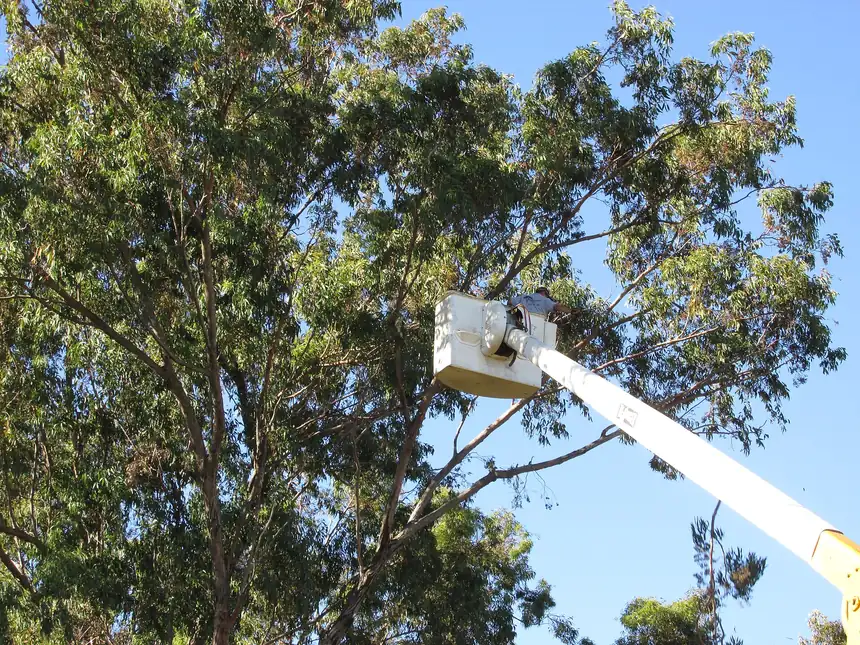
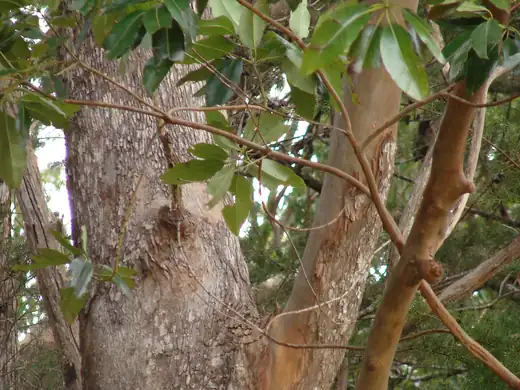
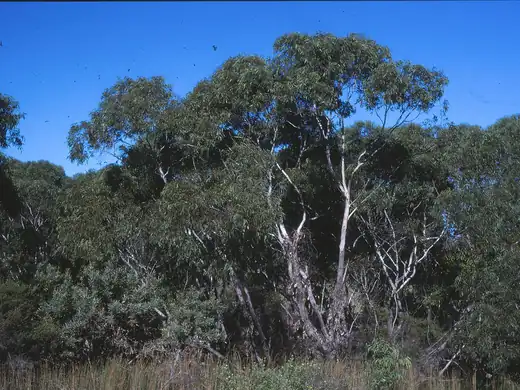
Hard, deeply furrowed dark grey to black bark that persists over the entire trunk and branches and does not shed. The bark is impregnated with kino and is noticeably hard to cut. Leaves are grey green and lance shaped, with white flowers from autumn to spring.
Found on shale soils through Ku-ring-gai, Hornsby, Ryde and the Hills District, often alongside Turpentine in Sydney Turpentine Ironbark Forest remnants.
Physically the most demanding eucalypt removal in Sydney because of timber density. Budget extra time for cutting and chipping. Like Turpentine it is often tied to a critically endangered ecological community, so the approval pathway can be longer than a standard tree permit.
Status below is for a tree on private land that has passed the council’s size threshold. Heritage items, heritage conservation areas, significant tree registers, biodiversity mapping and conditions of development consent override every exemption shown here.
The timber is exceptionally dense and hard, which slows cutting, wears equipment and increases both labour hours and disposal weight. The size and habitat value of mature specimens usually add approval time as well.